


Petit Treatments
Thread Lifting
Achieve a Smooth and Firm Facial Line
Find the Hidden Line in You
What is Thread Lifting?
Thread Lifting uses medical-grade dissolvable threads that are safely absorbed by the body. These threads are inserted beneath the skin to lift sagging areas and stimulate dermal collagen regeneration for improved elasticity.
The lifting effect is immediate, with skin elasticity enhanced for months to years depending on thread type.
At Dr. Eraser Clinic, we customize thread lifting procedures based on each patient’s age, skin laxity, and elasticity.
Non‑Surgical Facelift
Restore collapsed facial lines for a sleek V-line
Non‑Surgical Facelift
Restore collapsed facial lines for a sleek V-line
Powerful Non-Incisional Facelift
Thread Lifting
Treatment Areas
Front cheek
Marionette lines
Jawline
Nasolabial folds
Deep cheek
Double Chin
Key Benefits
Thread Lift POINT
- Personalized treatments for skin conditions from 20s to 70s
- Strong fixation provides 1–2 years of lasting results
- Collagen production boosts skin regeneration and elasticity
- Safe PDO threads that are completely absorbed by the body
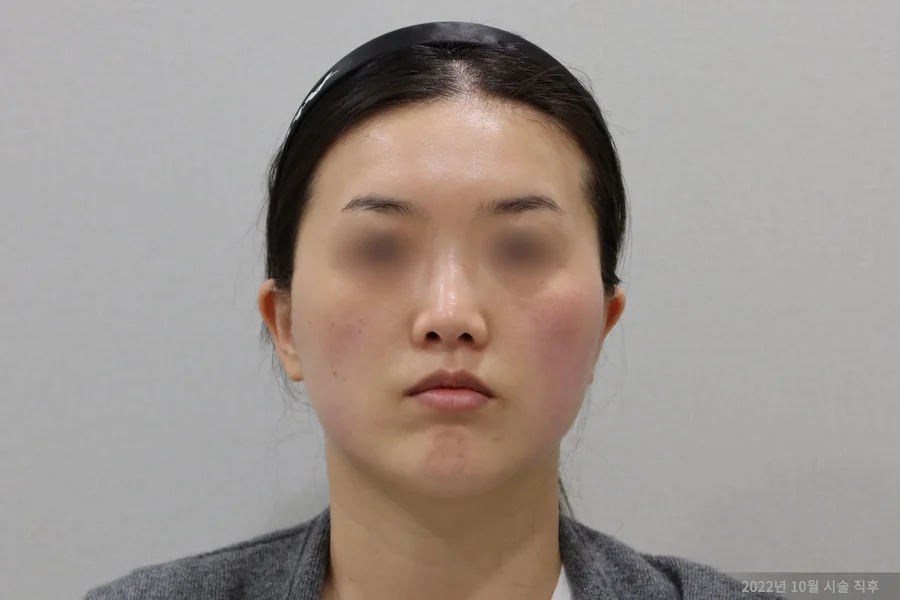
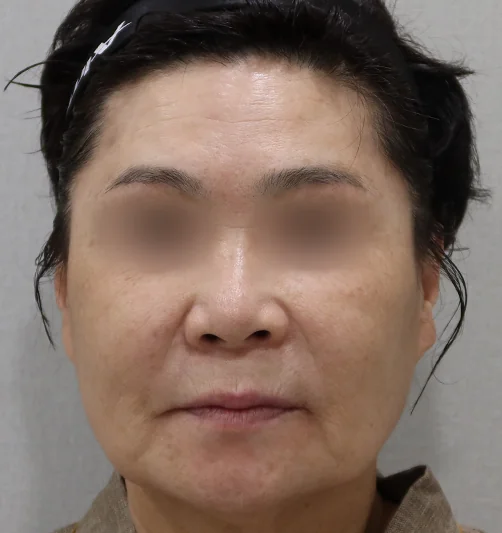
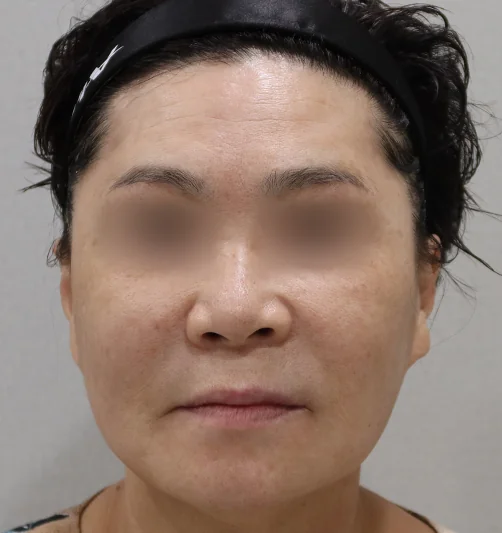
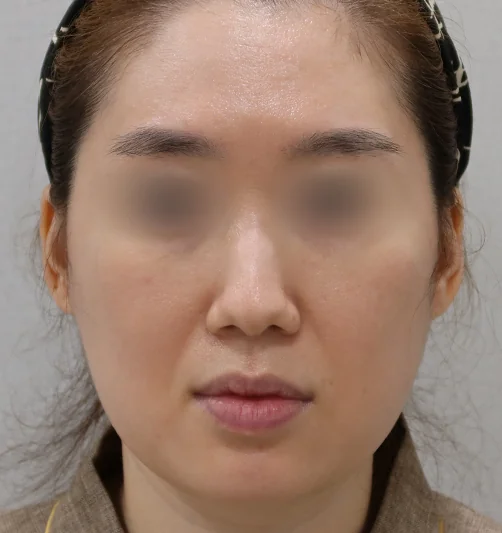
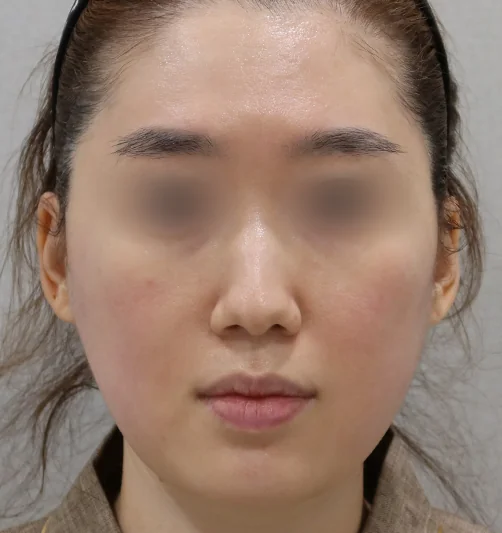
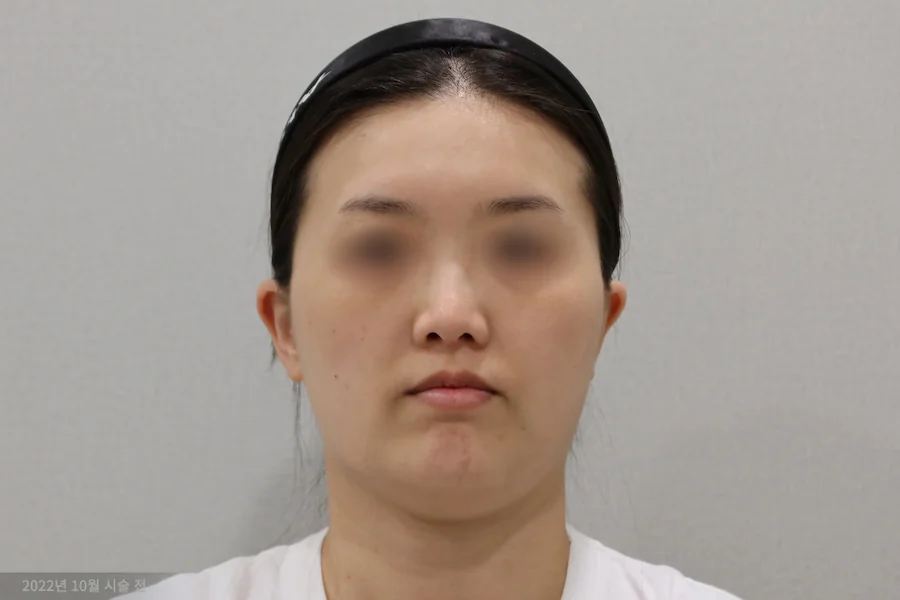
Before & After
Thread Lifting
Recommended For
When you want to restore sagging facial lines
When a double chin bothers you
When deep nasolabial folds are a concern
Treatment Info
Treatment Info for the Thread Lift
Treatment Time
30–40 minutes
Anesthesia
Topical anesthetic cream + Local anesthesia
Downtime
Immediate return to daily activities
Recommended Sessions
6–18 months
Pre/Post Treatment Care
- Bruising or swelling may last up to 1 week after the procedure.
- Avoid alcohol, saunas, steam rooms, and strenuous exercise for one week.
- Avoid opening your mouth wide or turning your head forcefully for 4 weeks.
- Keep Duoderm dressing on the treated area until healed.
How It Works
See the treatment process for the Thread Lift
First, Consultation
Consultation with a specialist at Dr. Eraser Clinic
Second, Plan
Schedule the right procedure for you
Third, Treatment
Treatment process and management check
Fourth, Follow-up
Follow-up with specialist
FAQ